
NYU Abu Dhabi Atrium Steelworks Assessment
The Problem
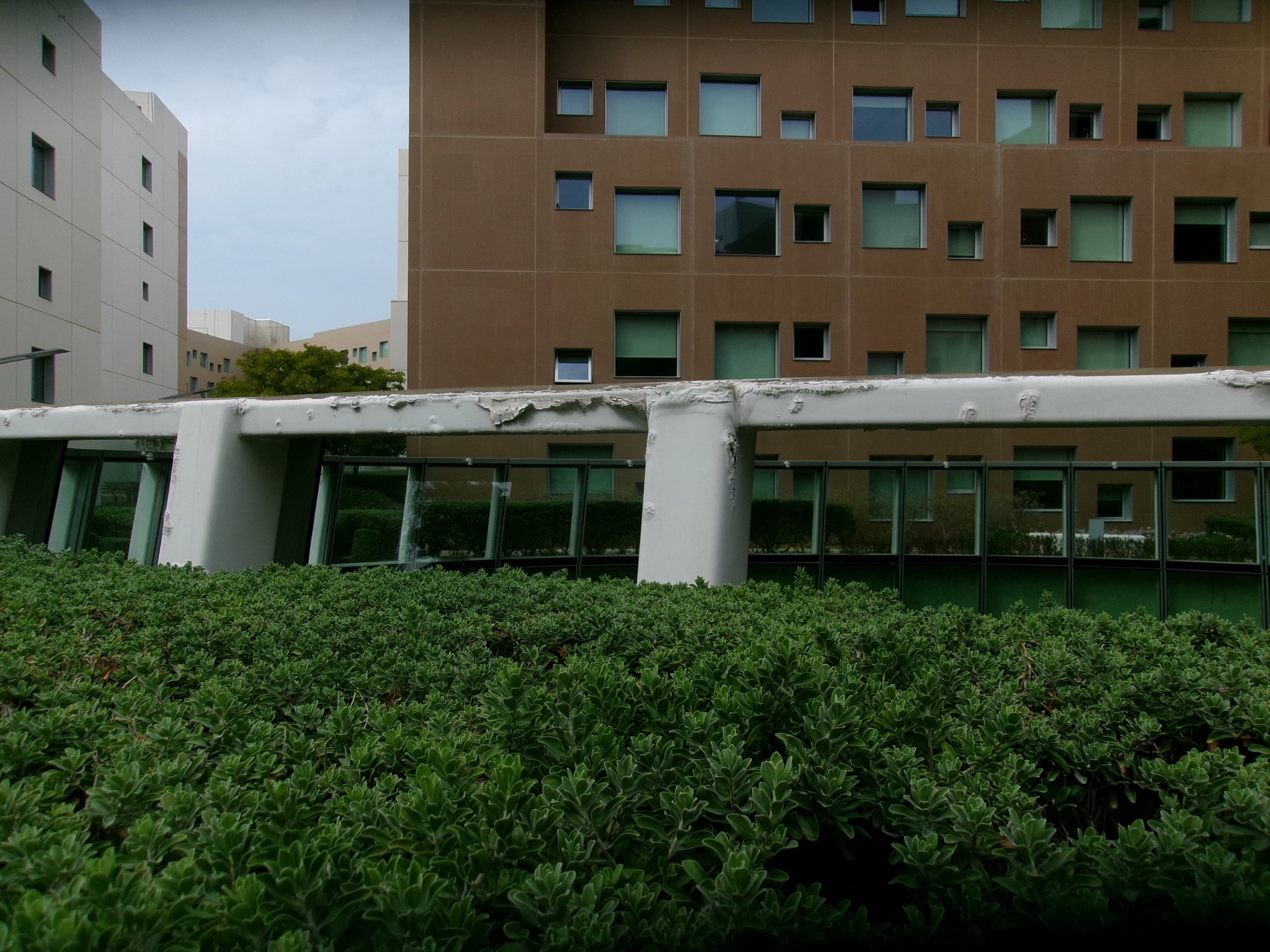
NYU Abu Dhabi.
The inspection identified surface abrasion, staining, coating peeling and blistering, failed sealants, cracks with efflorescence, and localised rust and corrosion on the atrium steelwork. Water ingress was also observed at soffits, ceiling voids, and around pipe penetrations.
The excavation trial pit identified defects in the existing waterproofing membrane, including poor laps, punctures, and termination issues. Coating pull-off testing also showed that several areas did not meet the minimum adhesion requirements, confirming localised failure of the protective coating system.
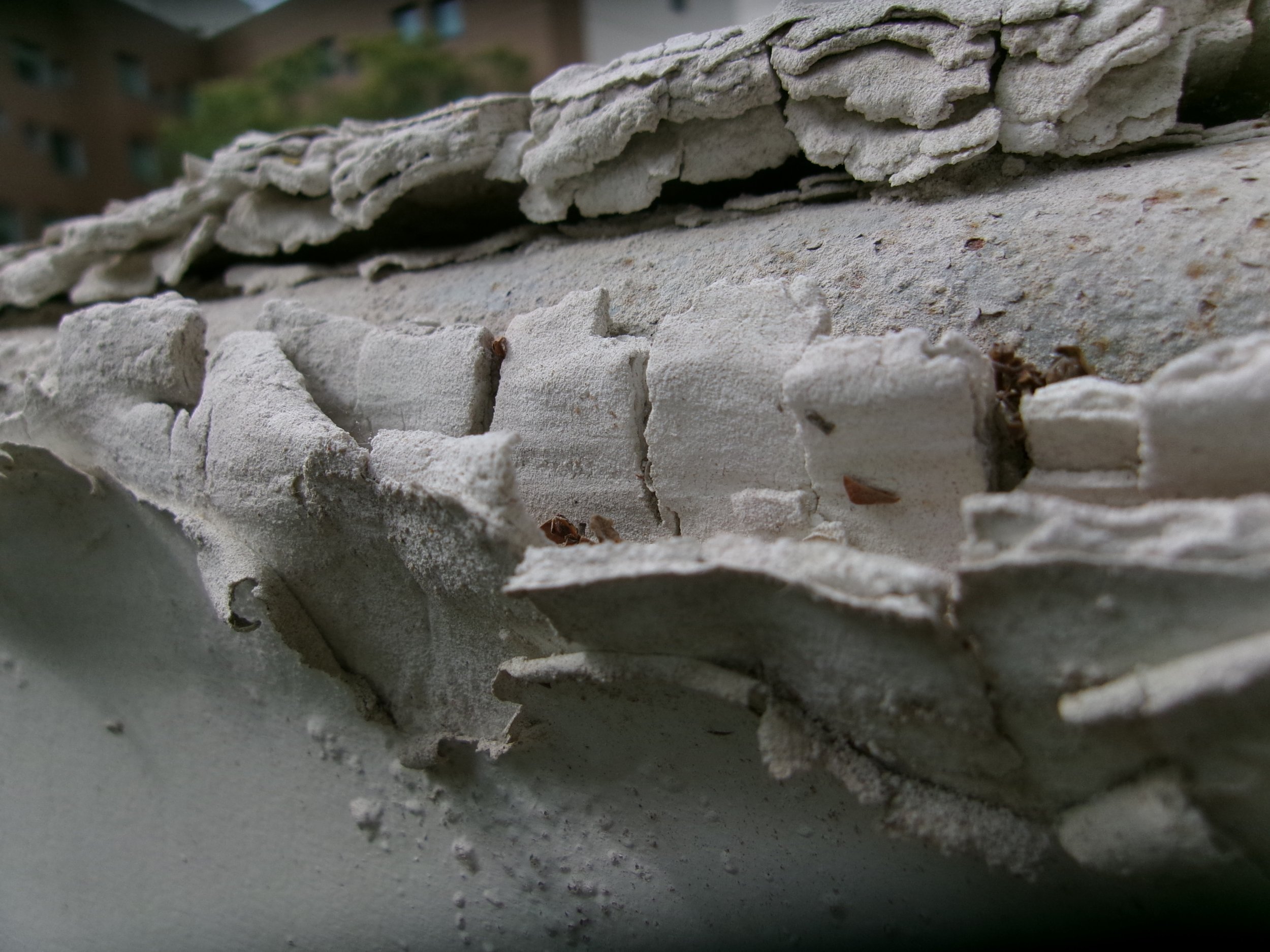
Defects in waterproofing membrane.
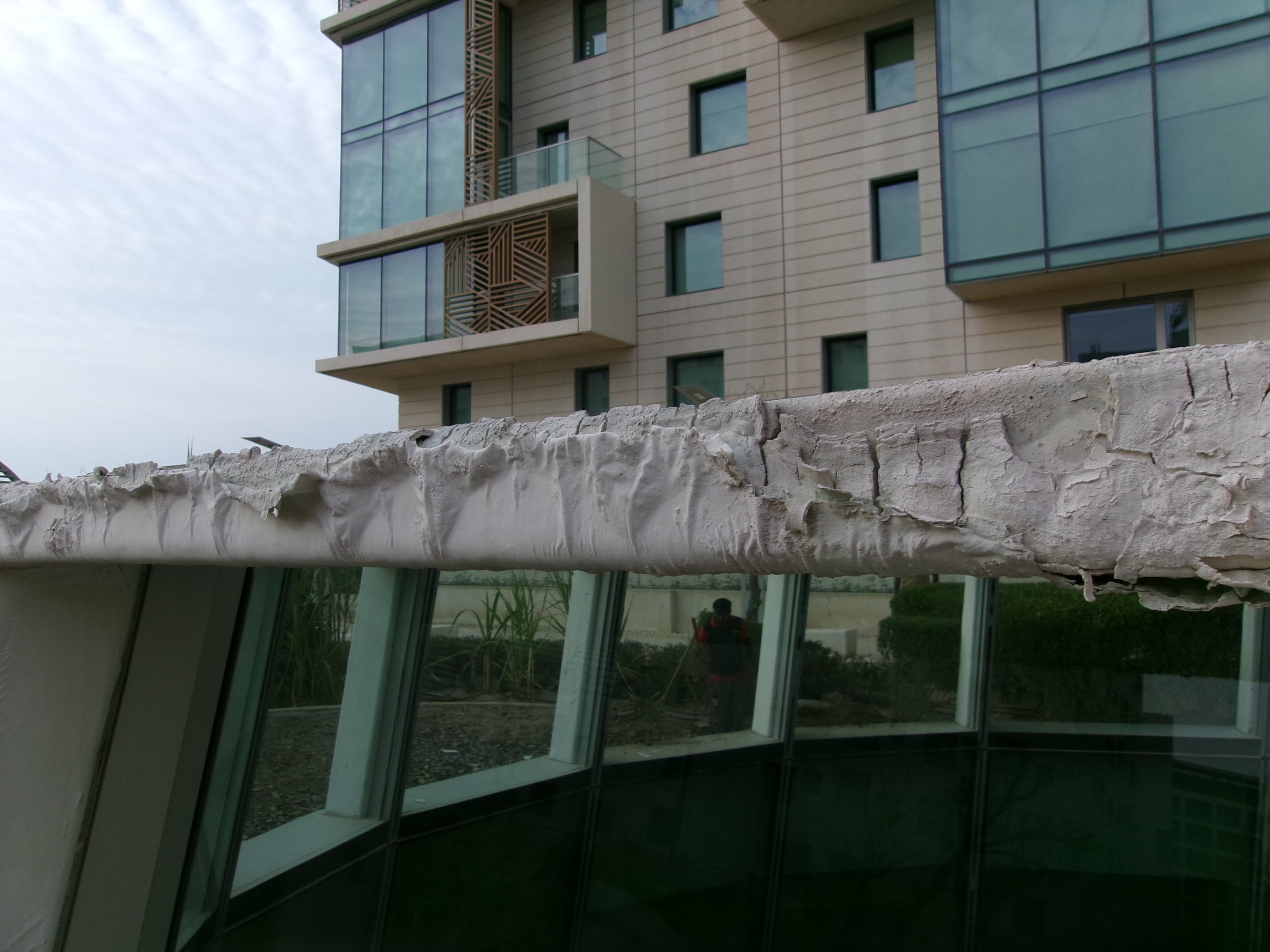
Deterioration around water-feature zones.
The Solution
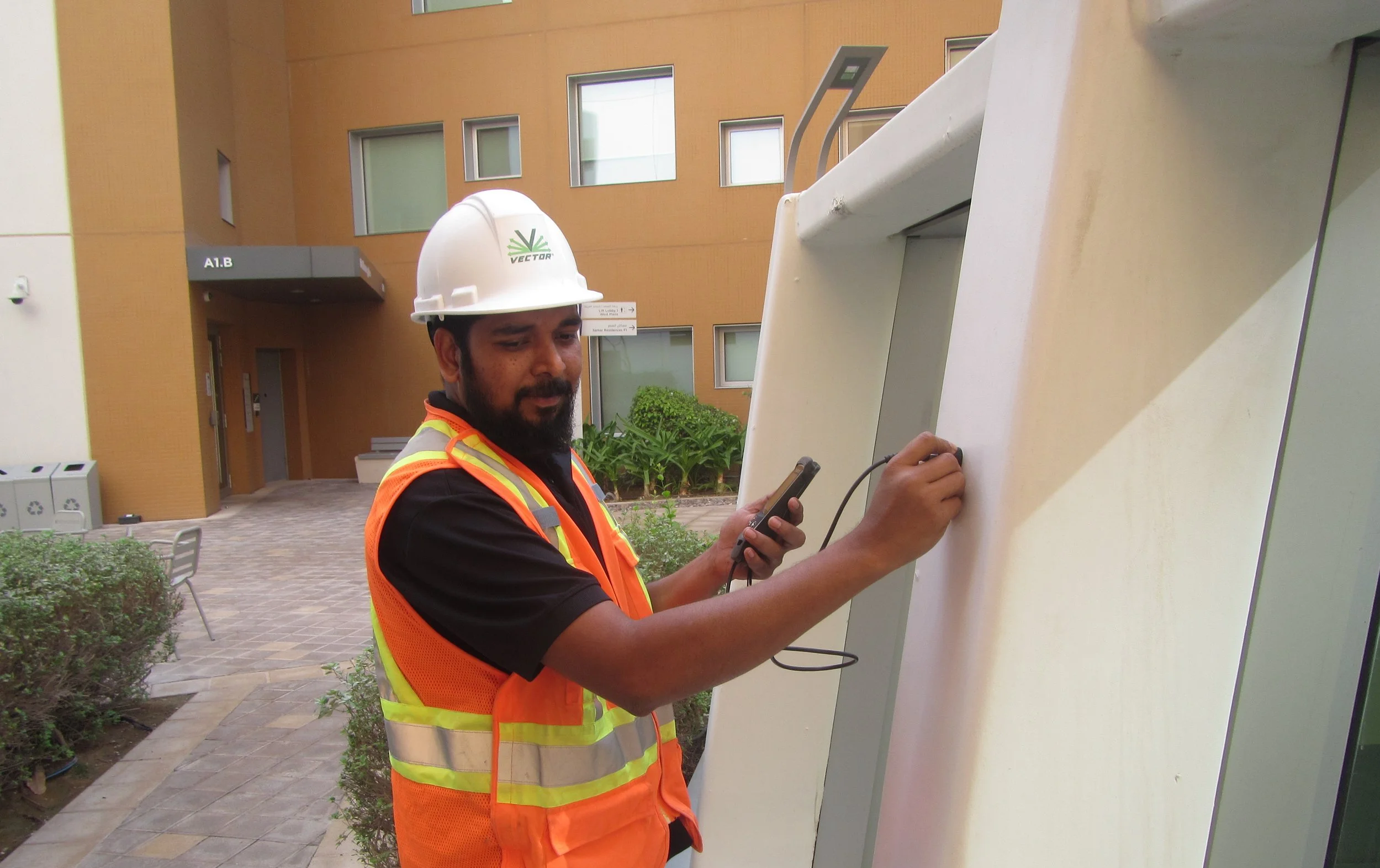
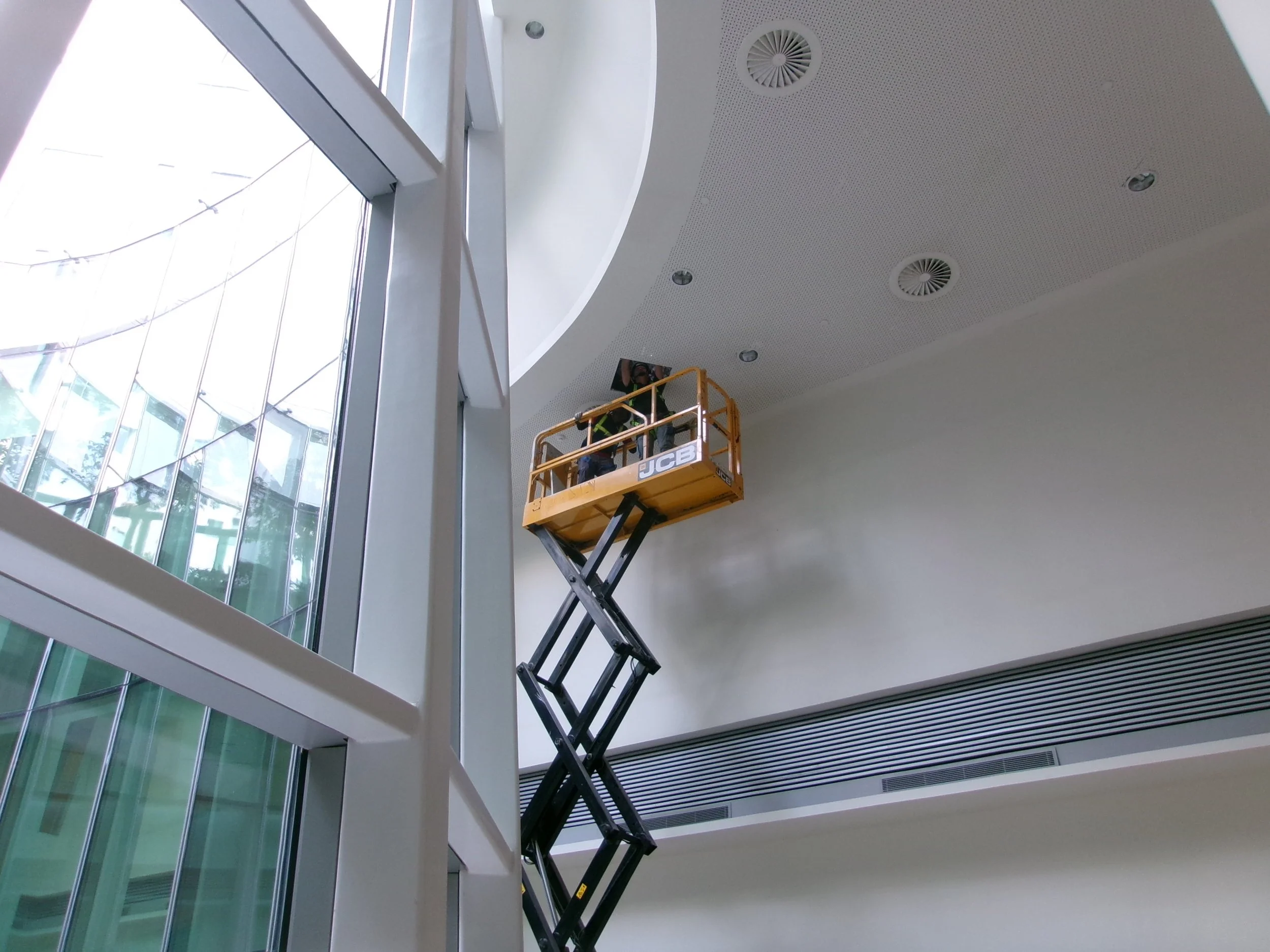
The Vector Corrosion team carried out a structured investigation to assess the condition of the steelwork, protective coatings, soffits, and waterproofing.
The investigation included:
Visual inspection and condition survey
Ultrasonic thickness (UT) testing
Impact Echo/Pulse Velocity testing
Dry film thickness (DFT) measurements
Coating pull-off testing
Borescope inspection
Ceiling and soffit surveys
Excavation trial pit investigation
The findings were then used to develop recommendations for corrective work, including:
Stripping and reapplying failed intumescent coatings
Repairing cracks and areas affected by efflorescence
Resealing joints, gaps, and penetrations
Improving waterproofing details and membrane laps
Enhancing drainage and moisture protection
Continuing monitoring and future inspections to confirm the effectiveness of repairs
The Result
The assessment found that the atrium steelwork was generally in good condition, with no significant section loss identified. Localised surface rust and corrosion were present, mainly on the rear side of the steel frames. UT results showed that steel thickness was generally consistent across the atriums, while IE/PV results indicated uniform material quality with no immediate structural concerns.
However, coating pull-off testing confirmed inconsistent adhesion of the intumescent coating system. Remedial coating repairs and waterproofing improvements were therefore recommended to restore protection and help prevent further deterioration.