Heritage and Cultural Structures
We Save Structures. Preserving our built heritage is an important part of that commitment.
Heritage and culturally significant structures are more than buildings or infrastructure. They are places that connect people to a community’s history, culture, and identity. Their architecture, craftsmanship, and stories cannot simply be replaced.
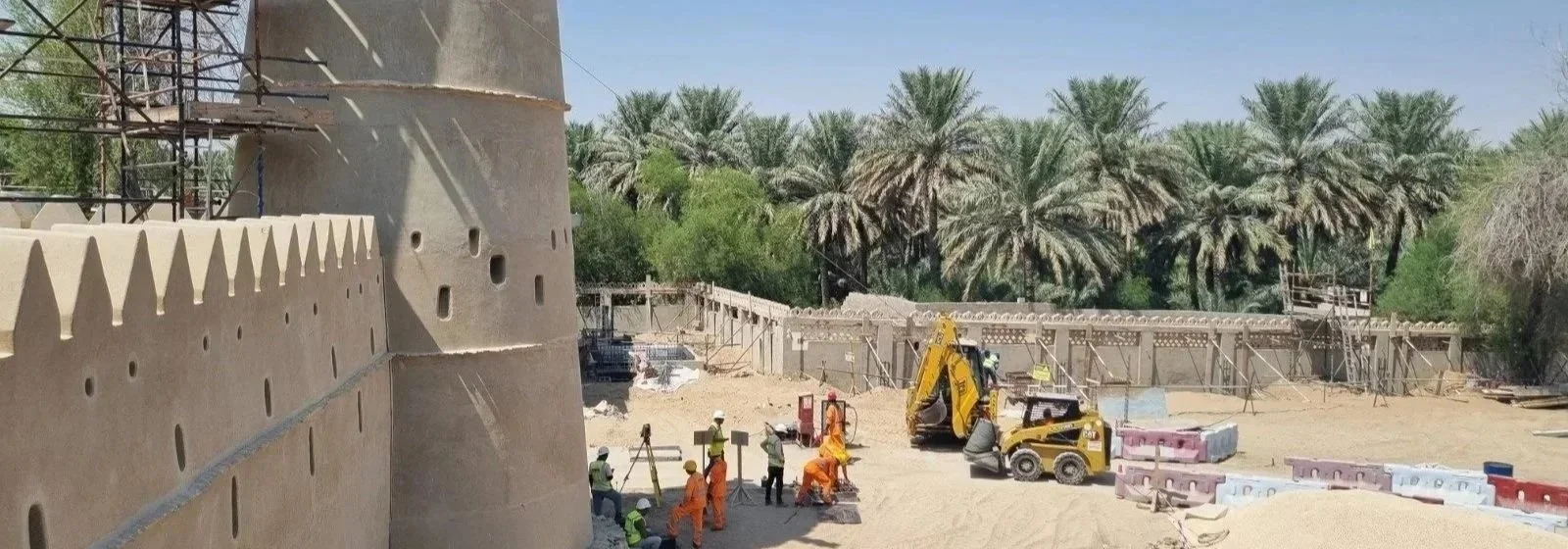
When deterioration threatens these structures, preservation means more than repairing concrete. It means finding ways to address the causes of deterioration, protect what remains, and extend the life of the structure while respecting its historic character.
That is where thoughtful assessment, targeted repair, and corrosion mitigation can make a difference, helping preserve important structures for the people who value them today and for generations to come.
Why Heritage Structures Require a Different Approach
Heritage structures present a unique preservation challenge. The goal is not simply to repair deterioration, but to protect the character, materials, and significance that make the structure worth preserving in the first place. For reinforced-concrete structures, this can mean addressing corrosion and other deterioration while minimising unnecessary intervention.
Key Considerations for Heritage Preservation
Protecting cultural identity — preserving historic structures, architectural details, original materials, and other features that define their character and significance.
Addressing environmental exposure — coastal and marine environments, airborne chlorides, temperature fluctuations, and moisture can contribute to concrete deterioration and reinforcement corrosion.
Minimising intervention — targeted repair and corrosion mitigation can address deterioration while limiting unnecessary removal or alteration of original materials.
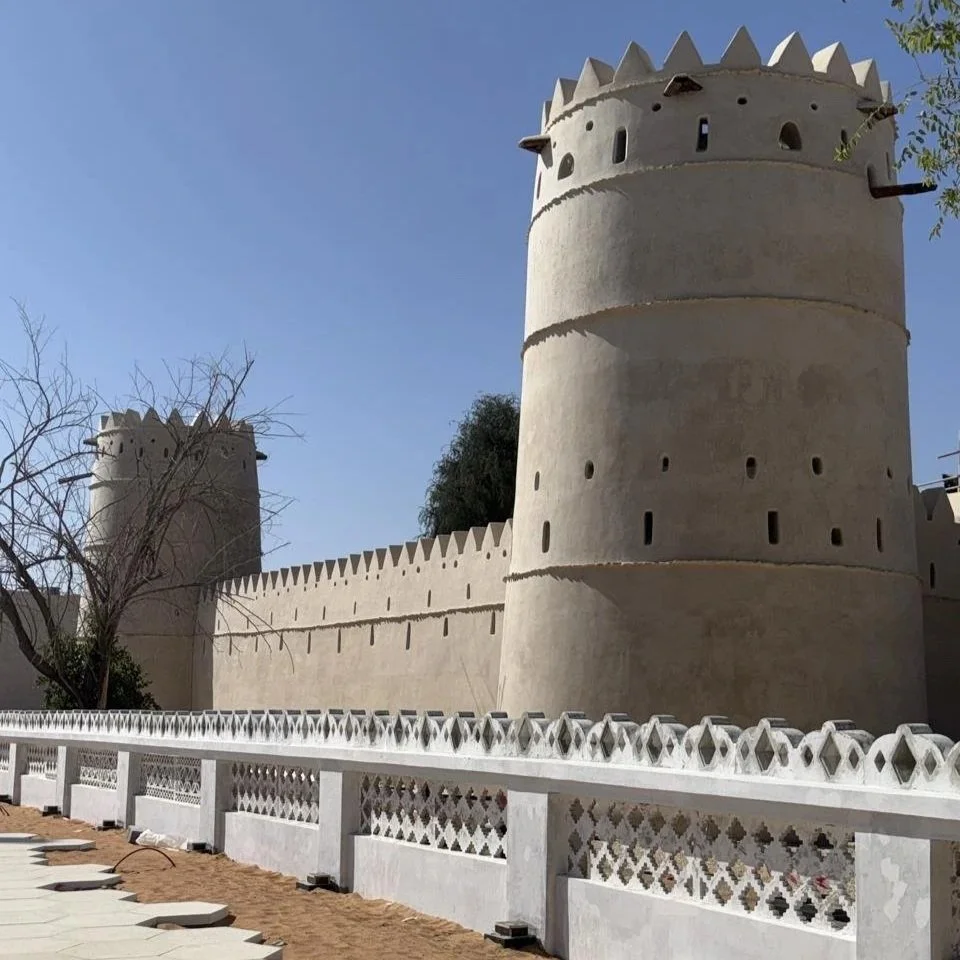
Protecting high-value assets — museums, heritage hotels, palaces, forts, religious buildings, and cultural destinations can hold significant cultural, historical, and economic value.
Extending service life — preservation strategies can help existing reinforced-concrete components remain in service rather than defaulting to replacement.
Maintaining access and use — preservation approaches can help reduce disruption where structures remain operational, accessible to visitors, or continue to serve their communities.